
Unlocking Hidden Gems: Off-the-Beaten-Path Luxury Safaris in Southern Tanzania
Imagine trading the crowded game drives of the Serengeti for a private, sun-drenched expanse where ancient baobabs stand sentinel over vast, golden plains, and the air hums with the untamed pulse of Africa. This is Southern Tanzania — a realm of raw wilderness where luxury meets the wild in ways that feel profoundly personal and unscripted. Far from the northern circuit’s well-trodden paths, parks like Ruaha National Park and Nyerere National Park (formerly the Selous Game Reserve) offer an exclusive luxury safari experience that’s as intimate as it is exhilarating. Here, you’re not just a visitor; you’re an explorer in a landscape that whispers secrets of ancient ecosystems, teeming with wildlife densities rivaling the world’s most famous reserves, yet blissfully free of tourist throngs.
For discerning travellers seeking the finest luxury safari Tanzania can deliver, Southern Tanzania’s hidden gems provide unparalleled seclusion. Ruaha, Tanzania’s second-largest national park at 20,226 square kilometres, blends the arid East African savannas with southern miombo woodlands, creating a biodiversity hotspot where 10 % of the world’s lions roam alongside large elephant herds. Nyerere, a UNESCO World Heritage Site spanning 30,893 square kilometres, unfolds along the mighty Rufiji River, where boat safaris reveal hippo pods and crocodile lairs amid palm-fringed lagoons. These aren’t just destinations; they’re escapes into a primordial Africa where fly-in camps and private charters make every luxury safari in Tanzania feel seamless and indulgent.
In this comprehensive guide, we’ll delve deep into the allure of Southern Tanzania’s luxury safaris. From the dramatic escarpments of Ruaha to the labyrinthine waterways of Nyerere, we’ll uncover insider itineraries, spotlight elite lodges, and share expert tips on chartering private planes for that effortless arrival. Whether you’re a seasoned safari aficionado craving novelty or a couple dreaming of a romantic bush retreat, a luxury safari in Southern Tanzania promises encounters that linger long after the dust settles.
Why Southern Tanzania? The Allure of the Untouched South
 What sets a luxury safari in Southern Tanzania apart is its ecological diversity. Ruaha’s rugged terrain, carved by the Great Ruaha River, supports open grasslands for cheetah sprints, rocky kopjes for leopard perches, and seasonal sand rivers that funnel game into dramatic concentrations. Nyerere, Africa’s largest game reserve outside the southern parks, offers floodplains and oxbow lakes that foster aquatic spectacles — think pods of 100+ hippos or Nile crocodiles basking on sun-baked banks. Together they form a seamless circuit for multi-park luxury safari itineraries, often linked by scenic charter flights.
Sustainability is woven into the fabric here. Many lodges, like those from Asilia Africa, fund anti-poaching patrols, community grants, and wetland restoration efforts in the Usangu Wetlands of Ruaha, ensuring your luxury safari stay contributes directly to conservation. With fewer crowds, the emphasis is on quality over quantity: expert guides tailor experiences to your pace — dawn hot-air balloons over Ruaha, twilight sundowners by Nyerere’s river, or simply silence broken only by hyena whoops.
Spotlight on Ruaha National Park: Tanzania’s Best-Kept Secret
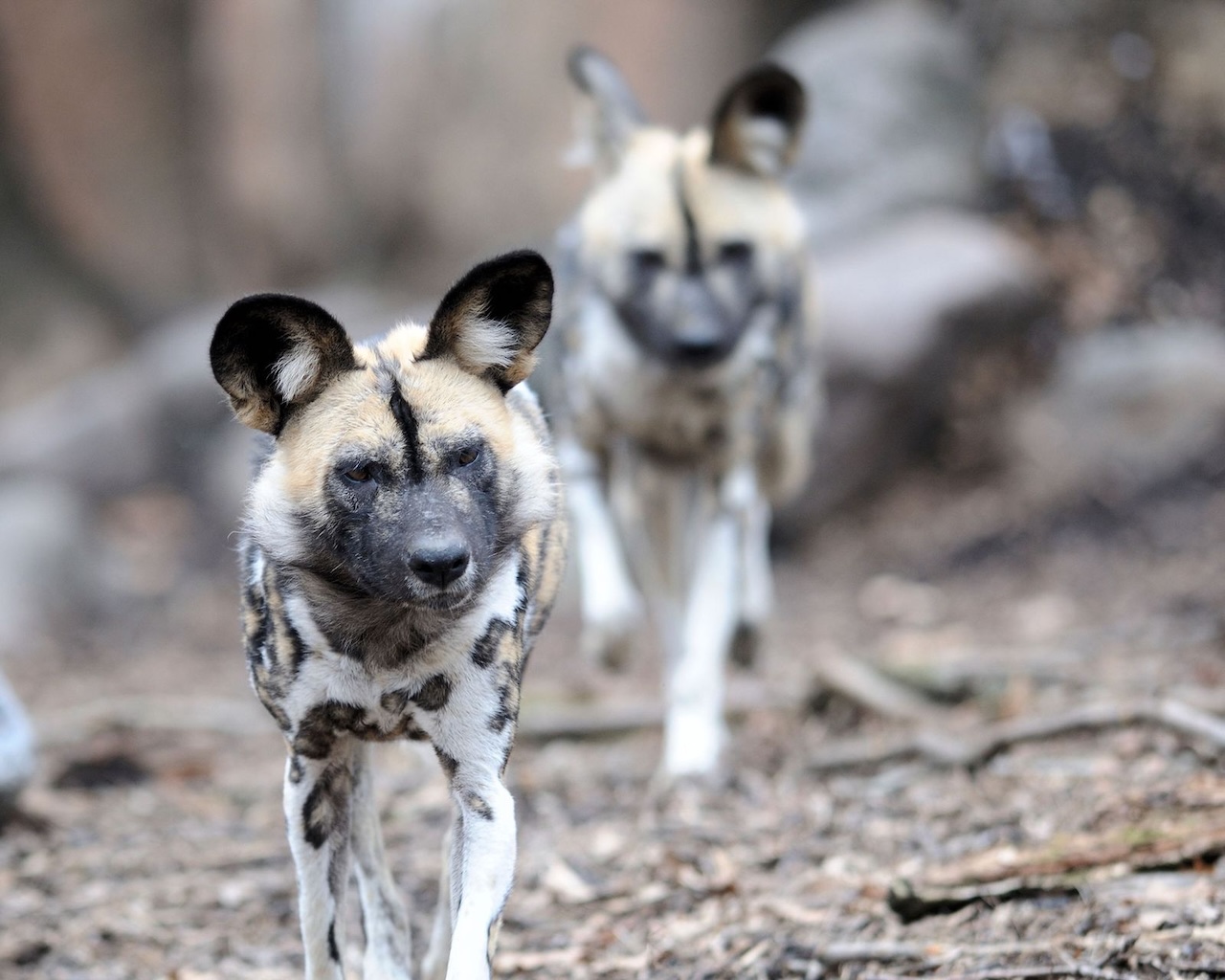
Ruaha National Park, named after the Swahili word for “river,” is the crown jewel of any luxury safari in Southern Tanzania. Stretching across 20,226 square kilometres, it’s a transition zone where East African plains meet Southern African bushveld, resulting in an extraordinary 1,650 plant species and over 80 mammals. Dubbed “Tanzania’s best-kept secret” by safari veterans, Ruaha’s allure lies in its predator paradise: home to the continent’s largest lion population (over 10% of the global total), packs of endangered African wild dogs, and leopards that melt into the sausage tree canopies.
Wildlife Wonders: What to Expect on a Ruaha Safari
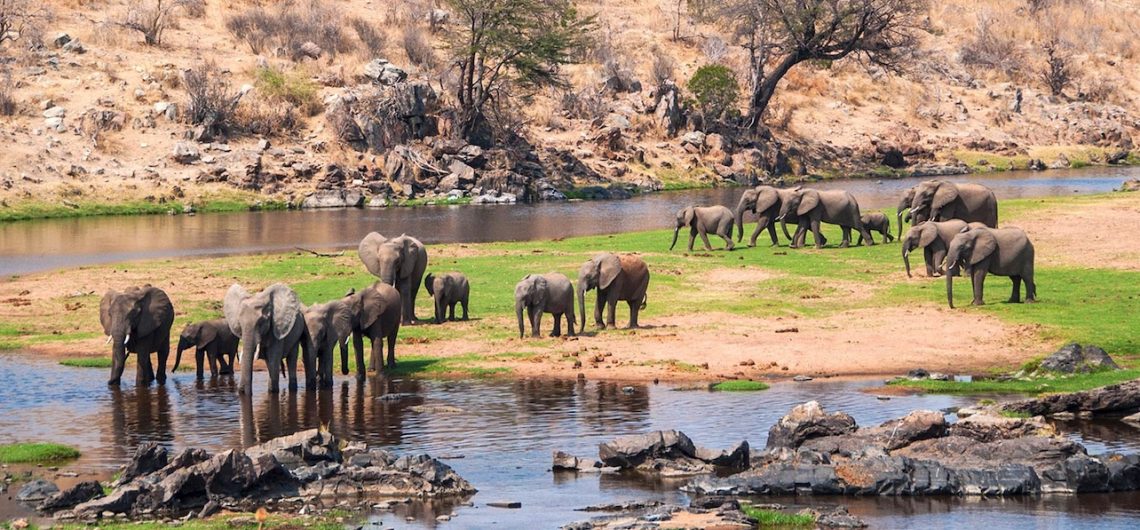
Game viewing in Ruaha is year-round stellar, but the dry season transforms it into a theatre of survival. Elephants—large herds often numbering in the hundreds—trumpet along the Great Ruaha River, their tusks glinting in the golden light as they uproot acacias for a midday snack. Buffalo herds, numbering in the hundreds, draw lions into epic hunts, while cheetahs and spotted hyenas patrol the open plains. Lesser-known gems include the greater kudu, with its spiral horns spiralling like abstract art, and the crested porcupine, a nocturnal quill-ball that rustles through the underbrush.
Birders will revel in Ruaha’s 570+ species: the emerald flash of a malachite kingfisher darting over the river, or the raucous chorus of Ashy starlings at dawn. For deeper immersion, opt for walking safaris with armed scouts, tracing the park’s fossil riverbeds where ancient elephant bones hint at millennia of life. Night drives unveil the nocturnal cast—genets slinking from termite mounds, civets with their masked faces, and the eerie glow of bushbaby eyes in the spotlight.
Ruaha’s drama peaks in the “yellow season” (June–October), when parched landscapes concentrate game around shrinking waterholes, turning every drive into a high-stakes drama. Yet, even in the green season (November–May), the park’s baobab-dotted hills bloom with wildflowers, and newborn impala fawns dot the lush plains—a serene counterpoint to the north’s intensity.
Luxe Lodges in Ruaha: Where Wilderness Meets Opulence
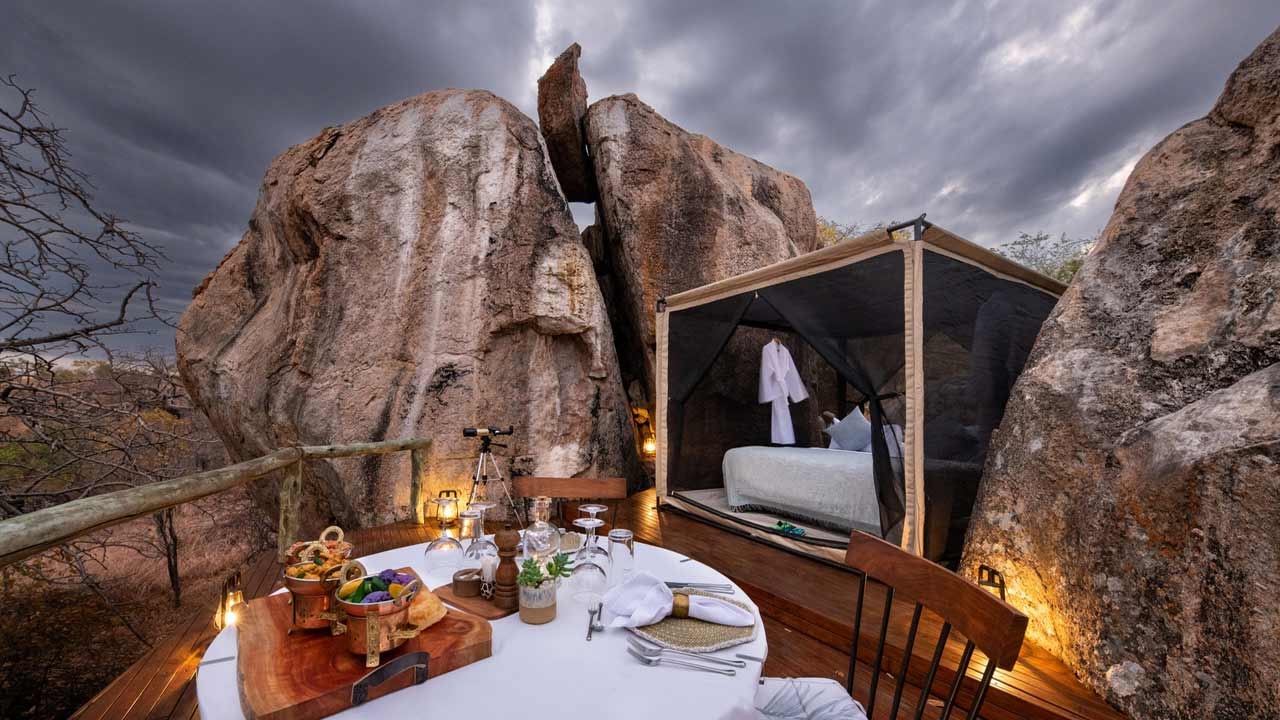 Ruaha’s accommodations elevate the safari to sublime levels, blending eco-luxury with bush intimacy. Here’s a curated selection of the finest:
- Jabali Ridge (Asilia Africa): Perched on a rocky ridge overlooking seasonal sand rivers, this Relais & Châteaux property is Ruaha’s pinnacle of sophistication. Eight stone-and-glass suites feature private plunge pools, indoor-outdoor showers, and canvas walls that retract for seamless savanna immersion. Days unfold with guided walks led by naturalist-guides, followed by spa treatments using indigenous botanicals. Rates start at $1,350/night all-inclusive; it’s a favorite for honeymoons, with sundowners served on your deck as elephants parade below.
- Kigelia Camp (Nomad Tanzania): For fly-under-the-radar elegance, this six-tent camp hugs the Mwagusi Escarpment, offering panoramic views of lion prides on the prowl. Tents boast brass four-poster beds, clawfoot tubs, and private decks for stargazing. Nomad’s signature: exclusive-use vehicles and guides, plus fly-camping add-ons for a nomadic twist. Expect bush picnics amid baobab groves; from $1,050/night.
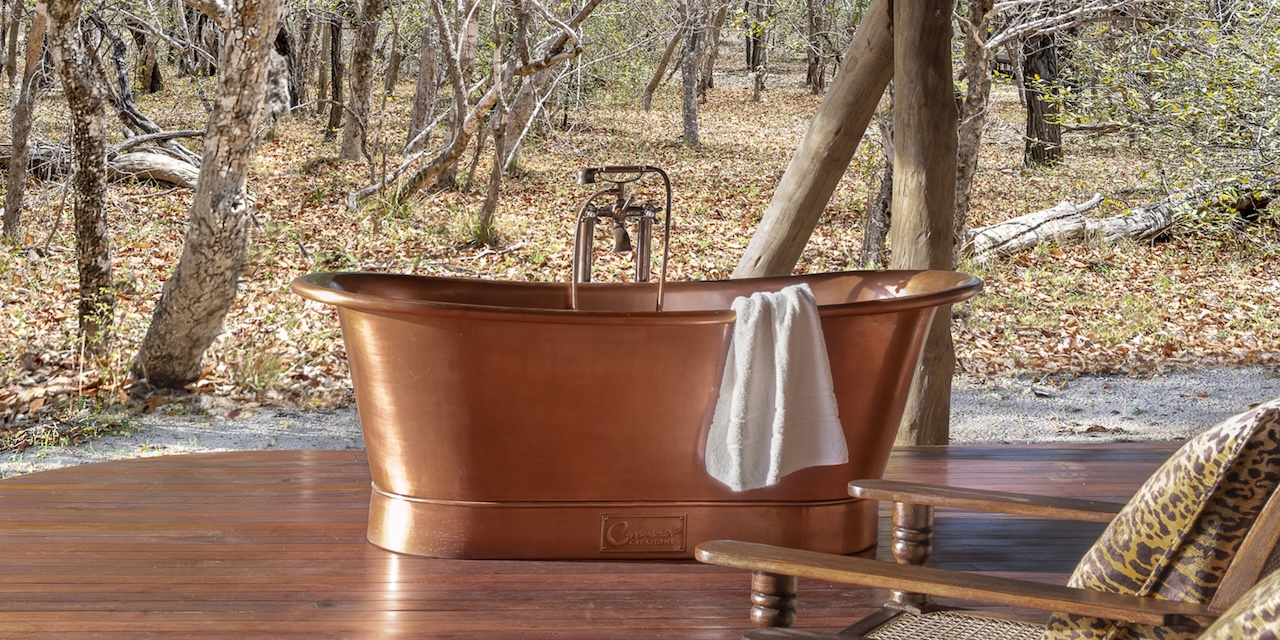
- Ikuka Safari Camp: A family-run gem on the escarpment’s edge, Ikuka’s six tented suites merge Hehe tribal motifs with modern luxe—think thatched roofs, copper bathtubs, and infinity edges framing the plains. Owner Mark’s deep park knowledge shines in bespoke walks and night drives. It’s intimate (max 12 guests), with a pool for cooling off post-safari. Rates around $950/night.
- Ruaha River Lodge (Foxes Safari Camps): Pioneering since the 1980s, this riverbank icon offers 16 bandas (cottages) with river-facing verandas and solar-heated showers. Spot hippos grunting from your bed, then join morning drives with veteran guides. It’s value-luxury at $410/night, with a focus on conservation—proceeds support local anti-poaching.
- Kokoko Camp (Asilia Africa): Ultra-exclusive with just four tents, this mobile-inspired camp under baobabs delivers back-to-bush basics with flair: open-air dining over fire pits, stargazing beds, and conservation safaris in the Usangu Wetlands. Ideal for privacy seekers; $1,680/night for sole use.
These lodges prioritize low-impact design—solar power, rainwater harvesting—ensuring your stay treads lightly on this fragile Eden.
Nyerere National Park: Riverine Riches and Remote Allure
If Ruaha is the savanna’s symphony, Nyerere is its aquatic overture. This 7.5-million-acre reserve, renamed in 2019 for Tanzania’s founding president, is a watery wilderness where the Rufiji River and its 200+ tributaries carve a maze of lakes, swamps, and channels. It’s Africa’s last bastion for wild dogs (over 1,000 individuals) and a haven for 440+ bird species, from fish eagles to Pel’s fishing owls.
Immersive Experiences: Beyond the Game Drive
 Nyerere shines with activity variety. Dawn boat safaris glide past yawning hippo clans and basking crocs, while fly-camping in remote concessions lets you wake to the river’s murmur. Walking safaris with expert trackers reveal the subtleties: dung beetle highways, termite citadels, and the alarm calls of impala heralding a leopard’s stealthy approach. Fishing enthusiasts can hook tigerfish in the rapids—catch-and-release, of course—adding adrenaline to the idyll.
Wildlife here is river-dependent: elephant super-herds (up to 400 strong) wade chest-deep, lions fish for their supper, and buffalo mobs churn the mudflats. The park’s north, more accessible, buzzes with game; the south’s wilds offer fly-in exclusivity. Combine with Ruaha for a 8-10 day circuit: three nights Nyerere for water thrills, four in Ruaha for predator pursuits.
Premier Stays in Nyerere: Riverside Elegance
Elevate your Nyerere sojourn at these river-hugging havens:
- Roho ya Selous (Asilia Africa): A hilltop perch above a Rufiji tributary, with eight tents blending canvas and stone. Private decks overlook giraffe grazing at dusk; activities include canoe safaris and bush meals. Spa treatments draw from river clays; $900/night.
- Sand Rivers Selous (Nomad Tanzania): Iconic since 1983, this 8-bed camp on a sandbank delivers old-school charm: open-plan tents with copper tubs, riverside dining, and fly-camps for overnights. Guides track wild dog hunts; from $1,100/night.
- Siwandu Camp: On Lake Nzerakera’s edge, 13 tents offer plunge pools and massage decks amid prime game territory. Boat and walking safaris are house specials; $950/night.
These camps emphasize ethical tourism, with proceeds bolstering habitat protection.
Seamless Journeys: Chartering Private Flights to the South
Accessing Southern Tanzania’s remoteness is part of the magic—enter private charters, turning hours of bumpy roads into 45-minute to 1.5 hour flights over patchwork landscapes. From Dar es Salaam (DAR) and Zanzibar (ZNZ), operators like Auric Air, Coastal Aviation, and Safari Air Link offer shared or exclusive charters on Cessna Caravans (up to 13 passengers) or light jets.
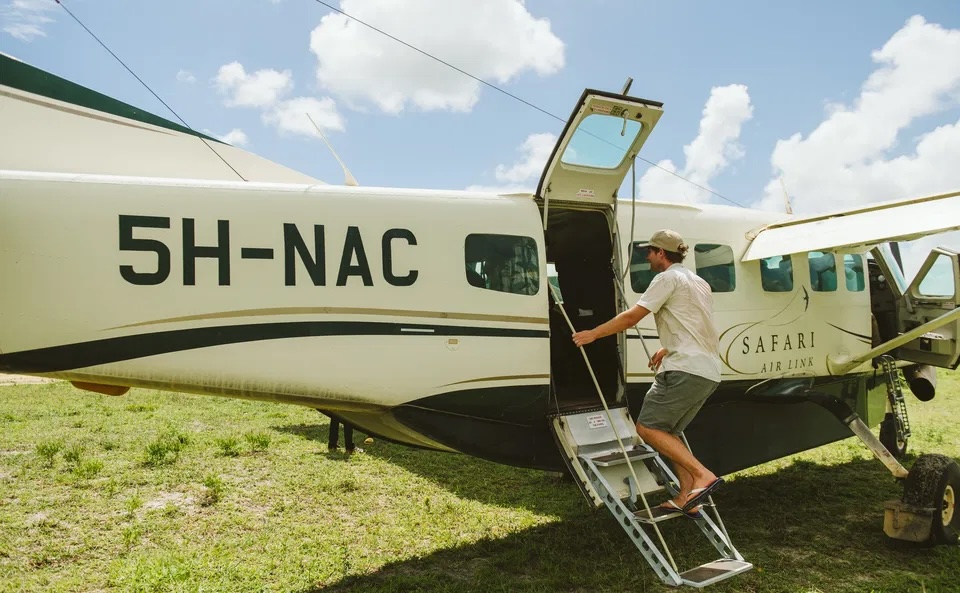
The same bush flight aviation companies operate scheduled flights with long haul flights emanating from Northern parks like Serengeti, requiring flight of inducement of 2-4 passengers. Ask our Tanzania Luxury Safari Experts for free advice and tour customization.
FAQ: Your Southern Tanzania Luxury Safari Queries Answered
Q: What’s the best time to visit Southern Tanzania for luxury safaris?
A: June to October is prime — dry weather concentrates wildlife around rivers, with warm days (75–95 °F) and cool nights. Fewer crowds than the north; book early for peak July–September.
Q: How do I get to Ruaha and Nyerere?
A: Fly into Dar es Salaam, then charter to park airstrips (1-hour flights). No roads needed; charters cost $400–700/person round-trip. Zanzibar connections are seamless.
Q: Is Southern Tanzania family-friendly?
A: Absolutely — lodges like Ikuka offer junior ranger programs, while vast spaces mean safe, uncrowded drives. Ideal for ages 8+; malaria precautions advised.
Q: What wildlife can I expect to see?
A: Big Five (lion, leopard, elephant, buffalo; rhino sightings rare but possible), plus wild dogs, cheetahs, 500+ birds. Ruaha for predators; Nyerere for hippos/crocs.
Q: How much does a luxury Southern safari cost?
A: $6,000–15,000/person for 7–10 days, all-inclusive (flights, meals, activities). Value shines in exclusivity — fewer guests, more sightings.
Q: Can I combine with Zanzibar?
A: Yes! End with 3–4 beach nights; charters link parks to Stone Town in under an hour for spice tours and turquoise swims.
Ready to unlock these hidden gems and experience the most authentic luxury safari Tanzania has to offer? Contact us to craft your bespoke Southern Tanzania adventure. The south awaits — wild, whispering, and wondrous.

Comments